Want free baking tips & tricks?
Sign up below and receive them directly into your inbox.
You'll be first to find out about new releases, promotions, and more.
You will also receive a free resource on how to make coconut macaroons.
From traditional European baking apples to everyday supermarket varieties, an autumn visit to Washington’s apple orchards led to some interesting discoveries in my kitchen.
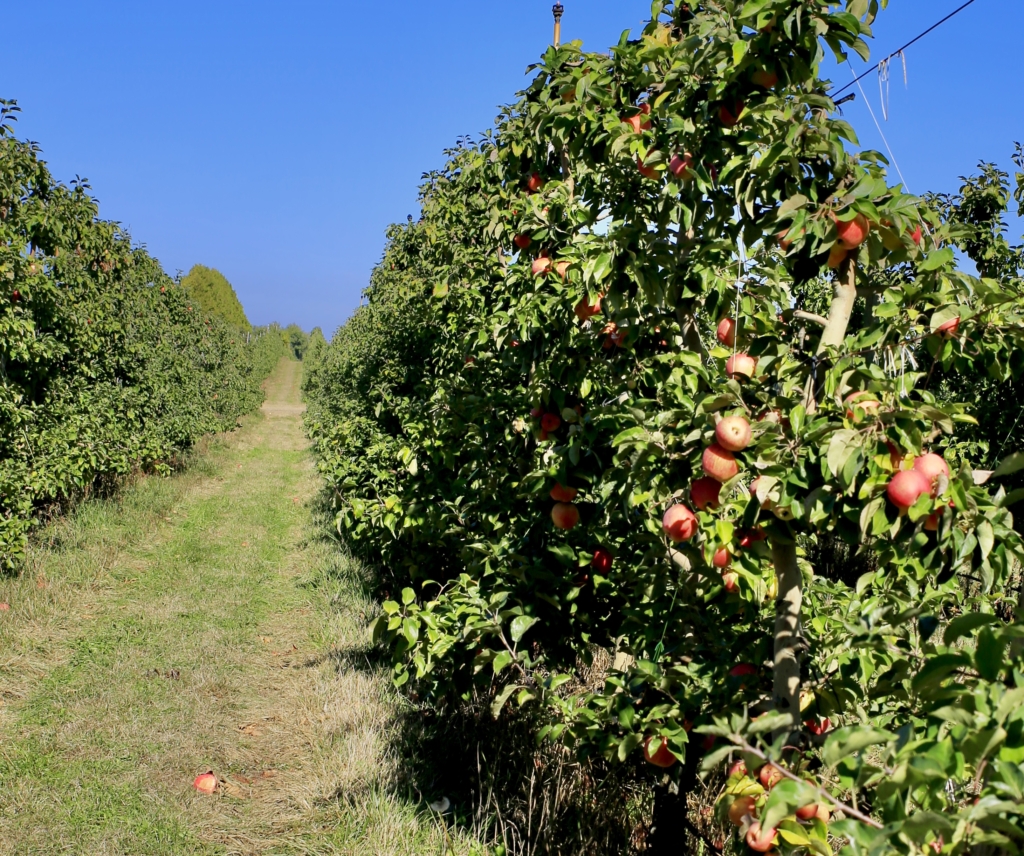
Autumn has always been one of my favorite seasons for baking. Growing up in Germany, I learned that choosing the right apple can make an enormous difference in a cake or pie. Flavor matters, of course, but so does the way the apple behaves in the oven.
During my recent visit to Washington State, I had the pleasure of exploring several local apple orchards. Besides enjoying the beautiful countryside, I was especially interested in finding some of the traditional apple varieties I remembered from my years in Germany.
And I made a few wonderful discoveries!
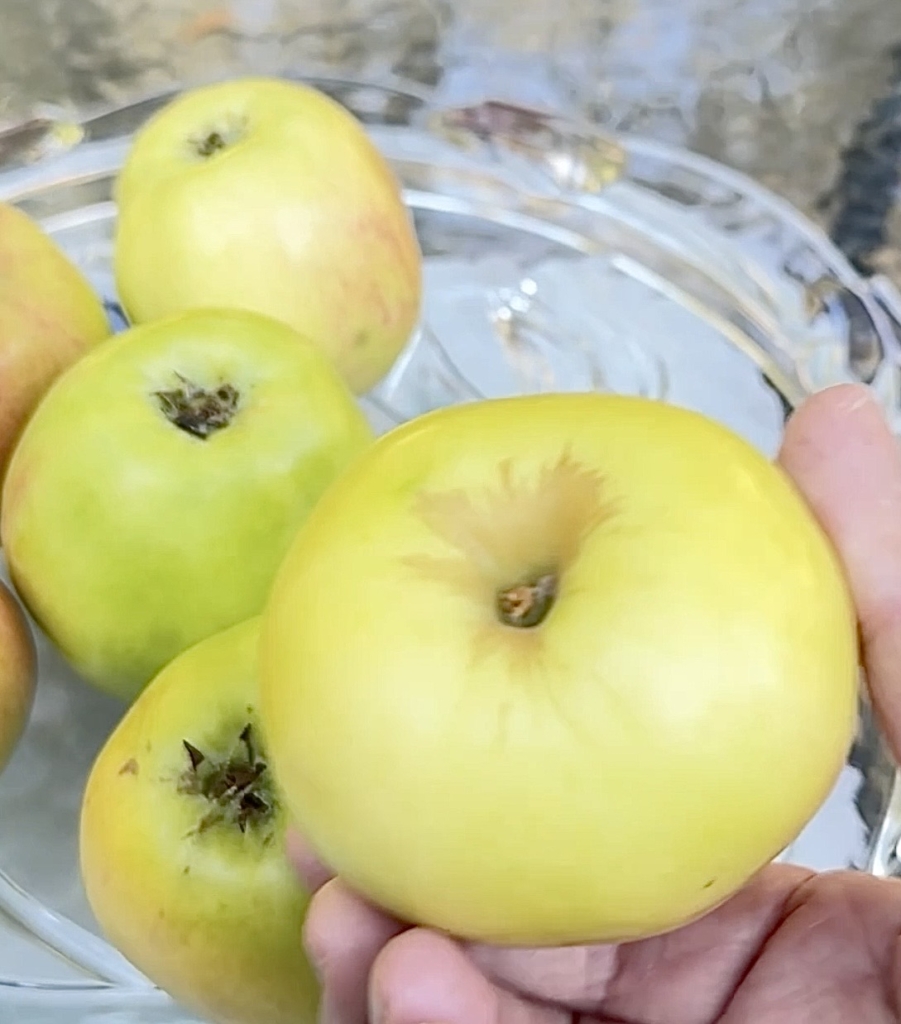
One of my favorite stops was Bellewood Farms in Lynden, Washington, where I was delighted to find Gravenstein apples.
Gravenstein is an excellent baking apple, and one I have always appreciated for traditional German cakes. Its real advantage is not simply its flavor, but the wonderful texture it develops during baking.
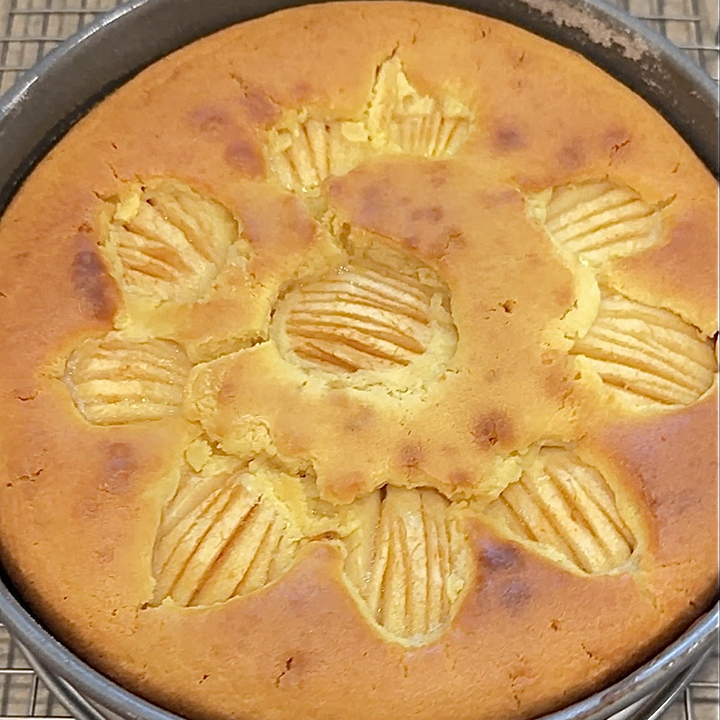
Since I am testing recipes for my second book, I chose a simple German apple cake using a light, pound cake-style batter with apple quarters gently pressed into the dough. As the cake bakes, the batter rises around the apples and absorbs some of the apples’ flavor.
The result was exactly what I had hoped for.
When I inserted a wooden skewer into one of the baked apple quarters, it slid through effortlessly. The apple was beautifully tender but had retained its shape.
That is what I look for in a good baking apple: fruit that becomes soft enough to cut easily with a fork, without losing its structure during baking.
Click on red bar below to watch the video: Come with me on a trip through Bellewood Farms and see how beautifully the apples baked into the cake. The complete cake recipe is planned for German Heritage Baking, Volume II.

One of the challenges of preparing traditional German apple desserts in the United States is finding apples that behave the way the recipes require.
Many apples sold in American supermarkets are primarily selected for eating fresh. They are sweet, crisp, and juicy, which makes them delightful snacks, but their texture does not always produce the results I want when baking.
A good baking apple should soften beautifully while maintaining enough structure that it doesn’t completely fall apart.
During my orchard visits, I came across several interesting varieties:
I was also sorry to learn that Sam’s orchard is closing. The land will be used for another crop next year. It is always sad to see an established orchard disappear. The Farm is selling their trees, so if you live nearby and would like an apple tree for your own yard, give them a call or stop by for a visit.
Photos:
Left: Apple cake baked with tender, slightly tart, and tasty Gravenstein apples.
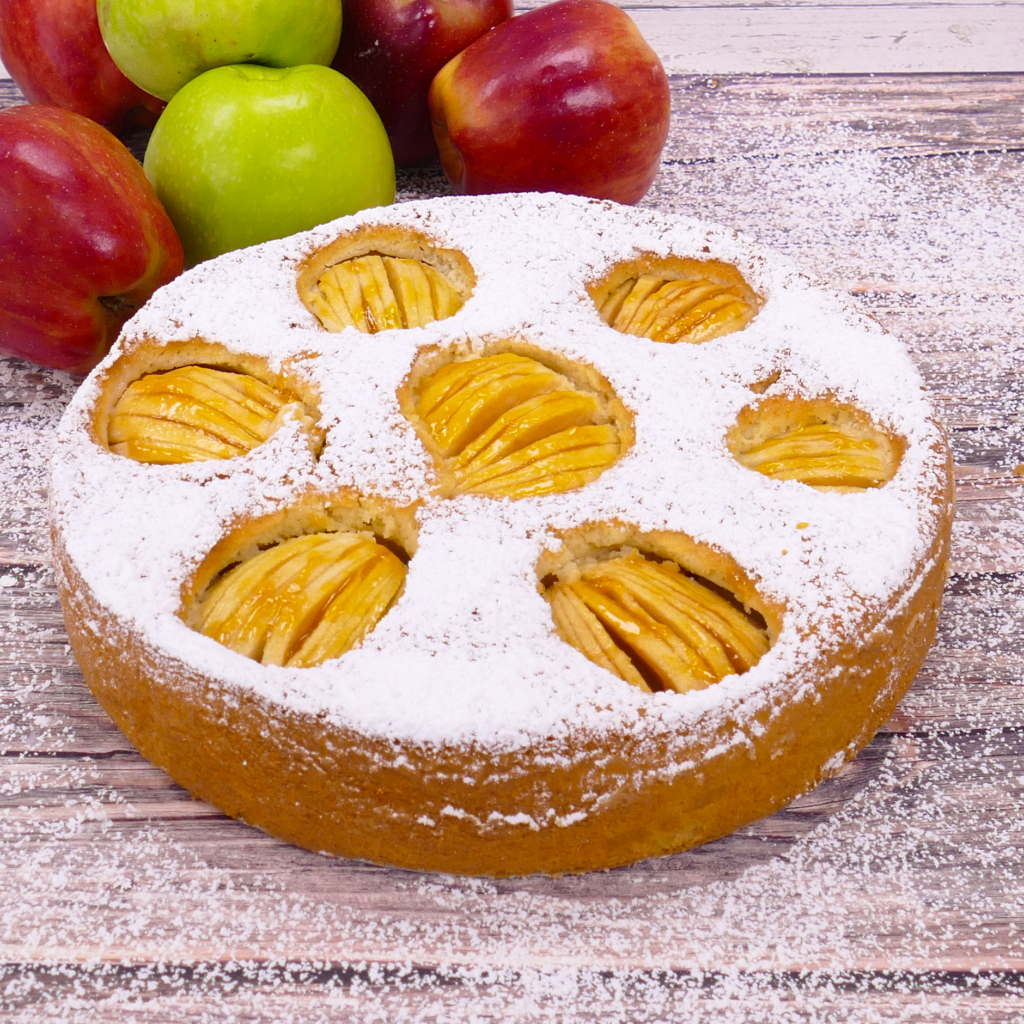
Middle: The same cake made with pre-poached eating apples, brushed with an apricot glaze and dusted with powdered sugar.
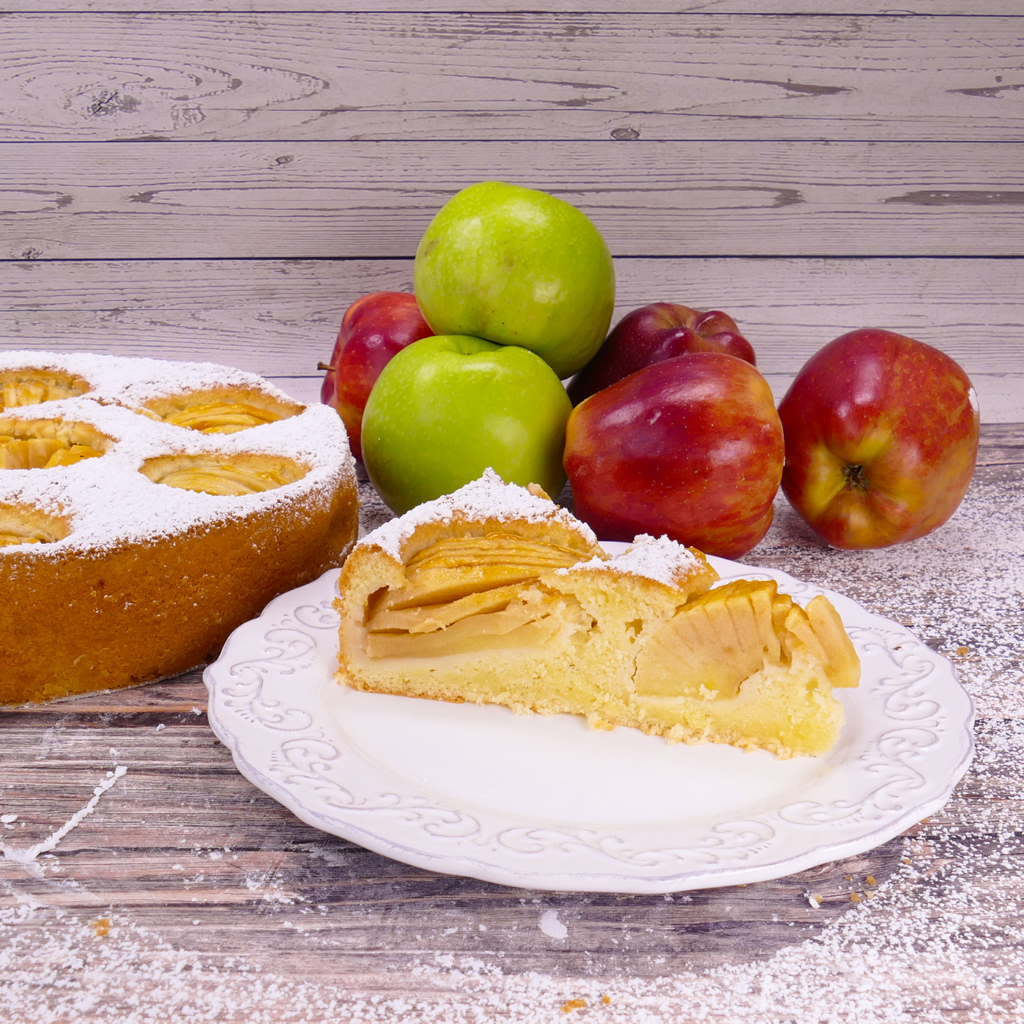
Right: A slice of the cake with eating apples.
Back home in Hawaii, my selection of apples is considerably more limited.
I can usually find varieties such as Pink Lady, Fuji, Gala, Golden Delicious, and the small Rockit apples. They are all enjoyable apples, but they don’t necessarily soften during baking in the same way as traditional European baking varieties.
Rather than giving up on them, I have been experimenting with ways to adjust my baking methods.
One approach is to gently pre-poach or pre-bake the apples before adding them to cakes and pies. This gives firmer apples a head start and helps produce the tender texture I want in a traditional German dessert.
I also enjoy combining different apple varieties in the same recipe. Some contribute sweetness, others a pleasant acidity or a more pronounced apple flavor. Added Lemon juice brings everything together.
These experiments are part of my ongoing recipe development for German Heritage Baking, Volume II. My goal is to make traditional German baking more accessible to people who cannot easily purchase the apple varieties we once took for granted in Germany.
After all, a good recipe should work with ingredients that home bakers can actually find.
While searching for traditional baking apples available beyond the Pacific Northwest, I discovered another interesting orchard: Scott Farm Orchard in Dummerston, Vermont.
Scott Farm grows more than 100 varieties of heirloom apples, including many that are difficult to find in ordinary grocery stores.
For home bakers interested in trying European baking varieties, the orchard offers seasonal apple gift boxes that can be shipped to most states within the contiguous United States.
Their 18-apple boxes contain a selection of seasonal varieties, depending on what is available at harvest time. There is also a note section when ordering where you can request a particular assortment.
This could be a wonderful opportunity to experiment with different apples for your holiday baking. German Heritage Baking, Volume I, has several apple dessert recipes, including Strudel.
At Scott Farm, each apple description explains where the apple is originally from, what it tastes like, and if it is good for baking.
My favorites are Belle de Boscoop, Calville Blanc d’Hiver, Cox Orange Pippin, Dutches of Oldenburg, Gravenstein, Glockenapfel (recommended for Strudel), Holstein (offspring of Cox’s Orange Pippin), Reine de Rennett and Zestar.
Scott Farm Orchard: https://www.scottfarmvermont.com/
View their heirloom collection here:
Availability and shipping restrictions vary, so please check with the orchard before ordering.
Whether you can find Gravenstein, Boskoop, or Cox’s Orange Pippin apples, or must rely on the varieties available at your local supermarket, understanding how apples behave during baking can make a real difference.
Sometimes the solution is choosing a different variety. Other times, adjusting the preparation method is all it takes.
In German Heritage Baking, Volume I, I share several traditional apple cakes and a strudel recipe that are wonderful choices for autumn and holiday baking.
My upcoming second book will continue exploring German baking traditions, including new apple recipes and methods for adapting them to ingredients available in American kitchens.
For me, that is part of the pleasure of baking: preserving the traditions I grew up with while discovering new ways to enjoy them.
Happy autumn baking!
Heidrun Metzler
Author of German Heritage Baking
https://www.heidrunmetzler.com
Don’t miss a crumb! Subscribe for insider baking techniques, free recipe downloads, and early news on upcoming books.
Receive German heritage recipes and delicious updates directly to your inbox!