Want free baking tips & tricks?
Sign up below and receive them directly into your inbox.
You'll be first to find out about new releases, promotions, and more.
You will also receive a free resource on how to make coconut macaroons.
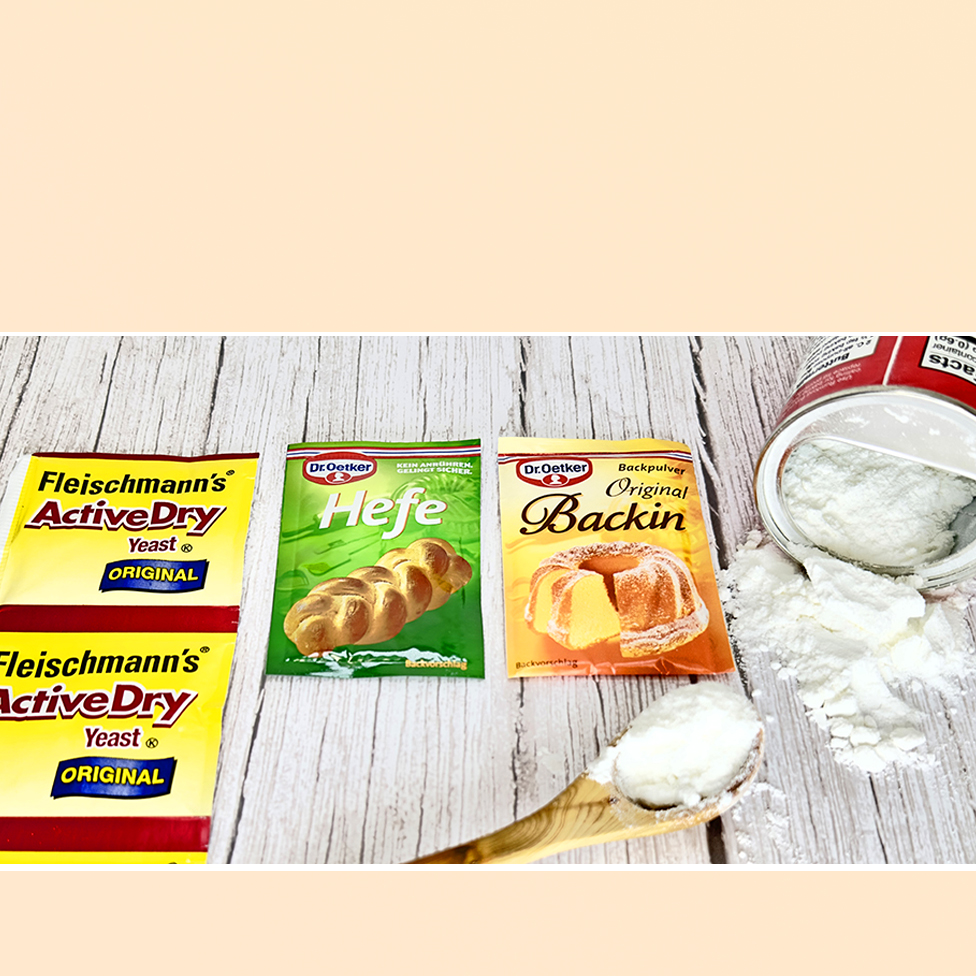
As I gather the ingredients for my German Marble Cake, I notice that my half full container of baking powder, has become hard and lumpy in Hawaii’s humid climate.
One of the most common questions I receive is:
How long are yeast, baking powder, and baking soda effective?
Do these baking ingredients go bad, and how long can they be stored in the pantry?
The truth is that most baking leavening ingredients don’t suddenly stop working on their expiration date. Instead, they gradually lose potency, which can affect the rise, texture, and quality of your baked goods. An unopened container often remains effective until the printed expiration date.
After opening, I generally replace baking powder, baking soda, and yeast every six to twelve months for the most reliable results. Since living in Hawaii, where humidity is high, I usually replace opened containers after about six months.
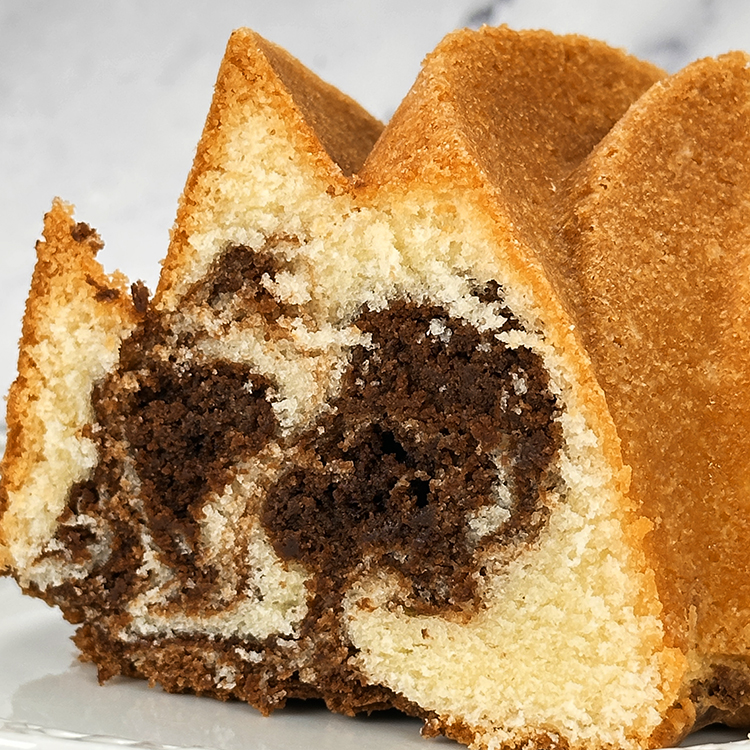
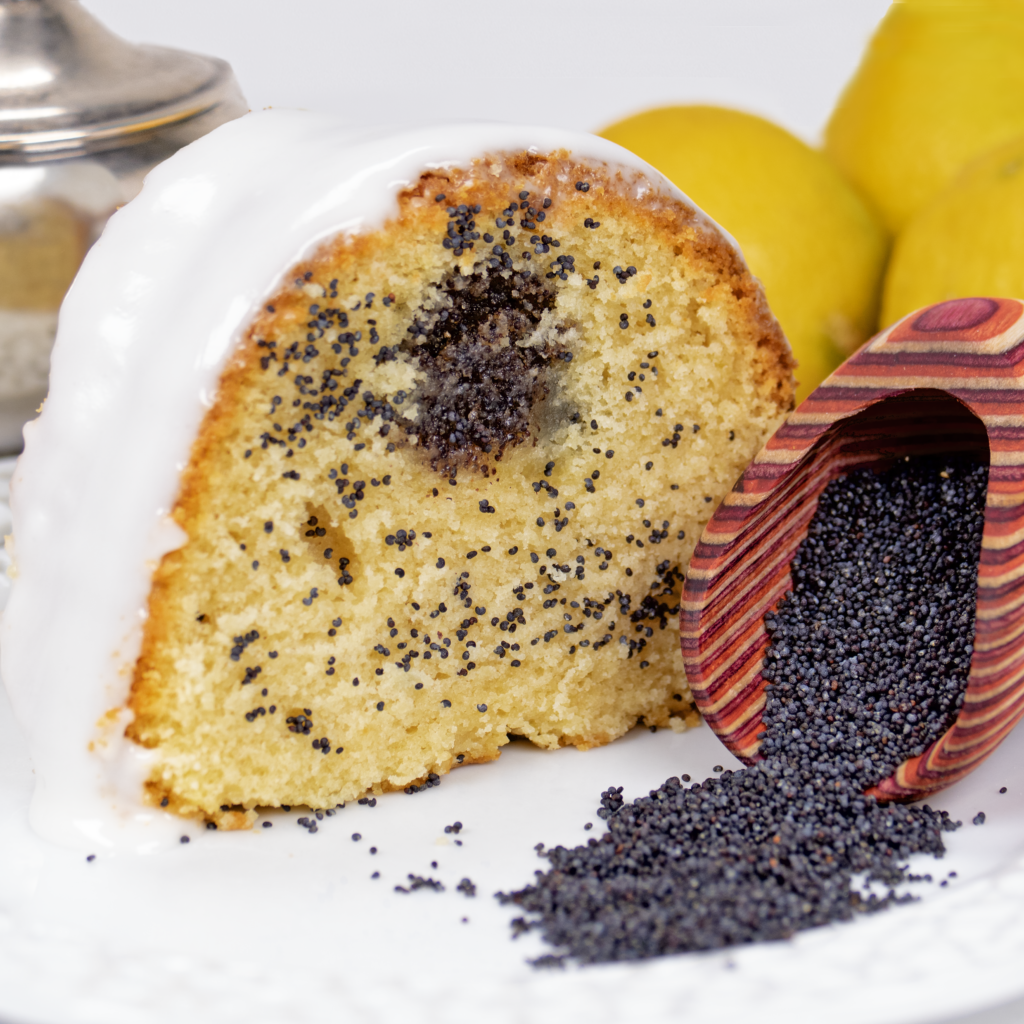
Photos below (left to right): Marble Cake, Lemon cake with poppyseed filling and cinnamon nut cake.
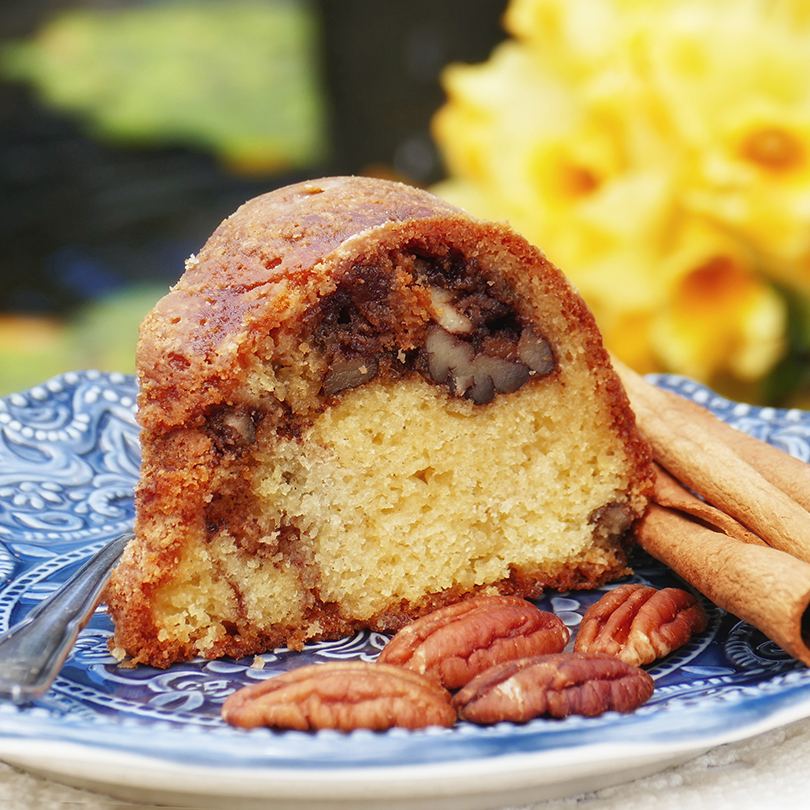
Baking powder contains both an acid and an alkaline component. When moisture reaches the powder, its effectiveness gradually begins to decline. During baking, these ingredients produce the carbon dioxide gas that helps cakes, muffins, and quick breads rise.
Living in Hawaii, where humidity is a constant challenge, I have found that large cans of baking powder often become lumpy long before they are empty. I’ve tried storing them in additional containers and taking other precautions, but eventually moisture seems to find its way in.
When my baking powder becomes hard, lumpy, or needs to be scraped from the container, I replace it. Replacing baking powder is far less expensive than wasting the ingredients in a cake that fails to rise.
Heidrun’s Tip: If you bake only occasionally, consider buying individual packets. They stay fresh longer because they remain sealed until you need them.
Baking soda is more stable than baking powder but still loses effectiveness over time, especially when exposed to moisture.
Place the opened box into a tightly sealed container if you live in a humid climate. Baking soda usually becomes lumpy before it loses its effectiveness completely. If the lumpiness becomes significant, I replace it.
Yeast is a living organism, and over time some of the yeast cells die. This can affect both the rise and the oven spring of your breads.
I prefer buying individual packets of instant or active dry yeast, because each packet stays sealed until I need it. Unopened individual yeast packets generally remain effective until the printed expiration date.
If I don’t use an entire packet, I seal it tightly, place it in a small zip-top bag, and store it in the refrigerator.
Photos below (left to right): Sweet Yeast cake topped apples, cherries, and crumbs, Berliners, also called Kräppel or Krapfen, French bread.
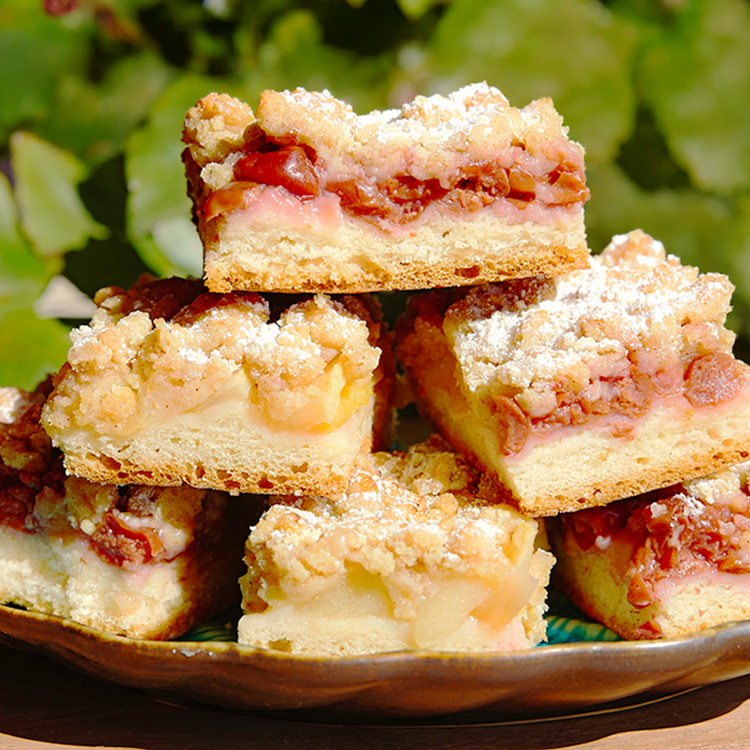
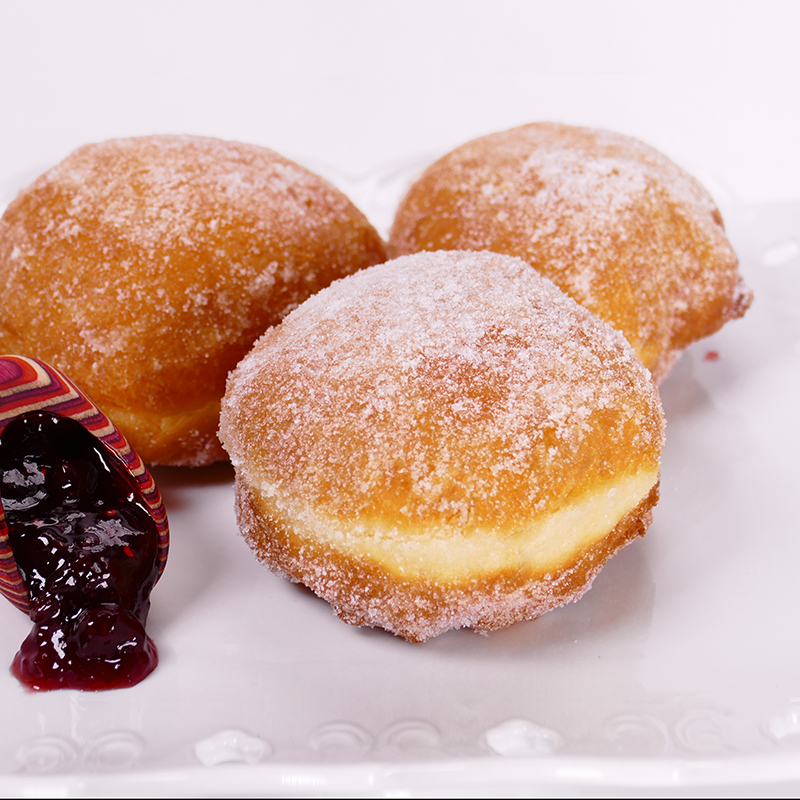
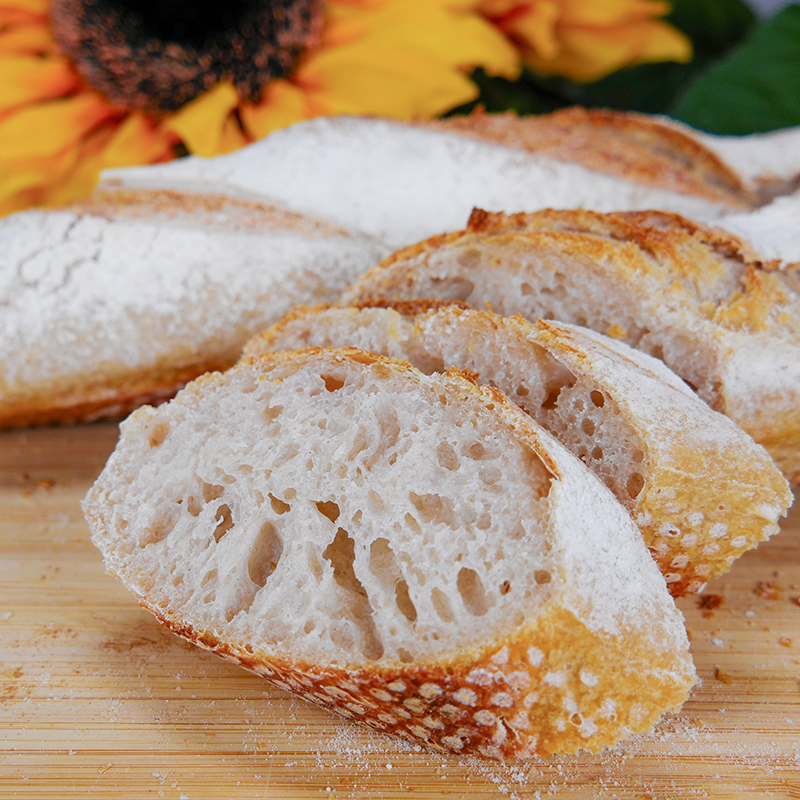
One reason I like German baking powder packets is that each packet stays sealed until I need it. Every time I bake, I know my baking powder is fresh and will perform consistently.
That same idea applies to yeast. Smaller packages help protect freshness and reduce waste, especially if you don’t bake every week.
Stir 1 teaspoon of baking powder into a small amount of hot water.
If it bubbles vigorously, it is still active.
Place a small amount of baking soda into a bowl and add a splash of vinegar or lemon juice.
Immediate bubbling means it is still active.
Dissolve a small amount of yeast in warm water with a little sugar.
Within five to ten minutes, the mixture should become foamy. If little or nothing happens, it’s time to replace the yeast.
Instant yeast often produces less foam, making this test slightly less obvious, but freshness still plays an important role in successful baking.
Fresh leavening ingredients are one of the simplest ways to improve your baking results. Before baking a recipe, always check the freshness of your baking powder, baking soda, and yeast.
Here in Hawaii’s humid climate, I’ve learned that baking ingredients don’t always behave the same way they did when I baked in Germany. Adapting to those differences has made me a better baker, and I hope these tips help you avoid the same frustrations.
Happy Baking!
Heidrun Metzler
Heidrun Metzler is a German-born baker and award-winning cookbook author specializing in authentic German baking and beloved European pastries. Through her German Heritage Baking series, she shares traditional techniques, practical baking guidance, and recipes inspired by both her German heritage and decades of baking in Hawaii.
Volume II will feature traditional Rührkuchen (Germany’s classic butter and batter cakes), artisan breads, a breakfast chapter, and other specialties like Berliners, Gugelhupf, and a variety of crumb cakes as well as classic fillings and glazes, and additional European favorites.
Continue Your Baking Journey
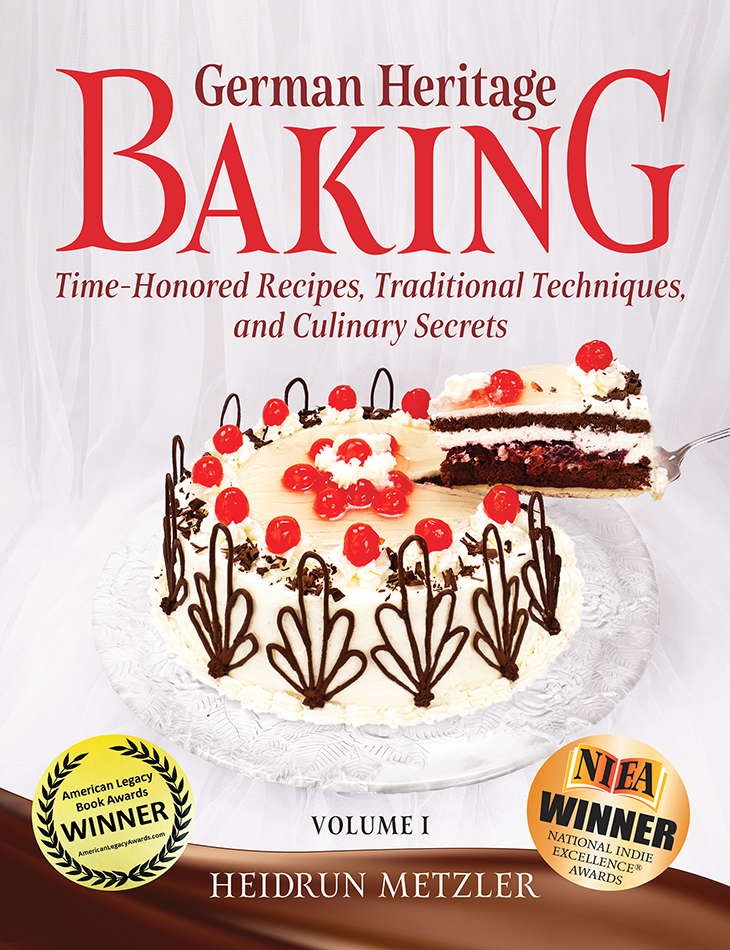
German Heritage Baking, Volume I
Explore the Book →
Discover more than 50 authentic German recipes, detailed step-by-step techniques, and practical baking guidance in German Heritage Baking, Volume I. Whether you’re just beginning or looking to refine your baking skills, this book will help you create beautiful German cakes, cookies, tortes, pastries, and traditional favorites with confidence. Throughout the book, QR codes let you instantly access companion videos with a single click, making it easy to follow along with the technique and recipes.
If you’d like more authentic German baking techniques, and new blog articles, subscribe to my newsletter below.
Don’t miss a crumb! Subscribe for insider baking techniques, free recipe downloads, and early news on upcoming books.
Receive German heritage recipes and delicious updates directly to your inbox!