Want free baking tips & tricks?
Sign up below and receive them directly into your inbox.
You'll be first to find out about new releases, promotions, and more.
You will also receive a free resource on how to make coconut macaroons.
There’s a moment when folding whipped cream into a fruit base where everything looks… wrong.
The mixture softens. It loosens. You might even see streaks and think you’ve gone too far.
But this is exactly where many bakers get confused.
Because what you’re seeing at this stage is not the final texture—it’s just the beginning of it.
When working with whipped cream, the goal is always the same: Keep as much air in the mixture as possible.
That air is what gives your filling its lightness and structure.
If you stir, mix too aggressively, or try to make the mixture look “perfect” too early, you lose that air—and with it, the delicate texture you’re trying to achieve.
Folding is different.
It’s gentle. Controlled. Intentional.
When folding whipped cream into a strawberry base, you are not aiming for a completely smooth mixture right away.
In fact, you should stop as soon as the whipped cream is incorporated.
At this point:
And that’s exactly right.
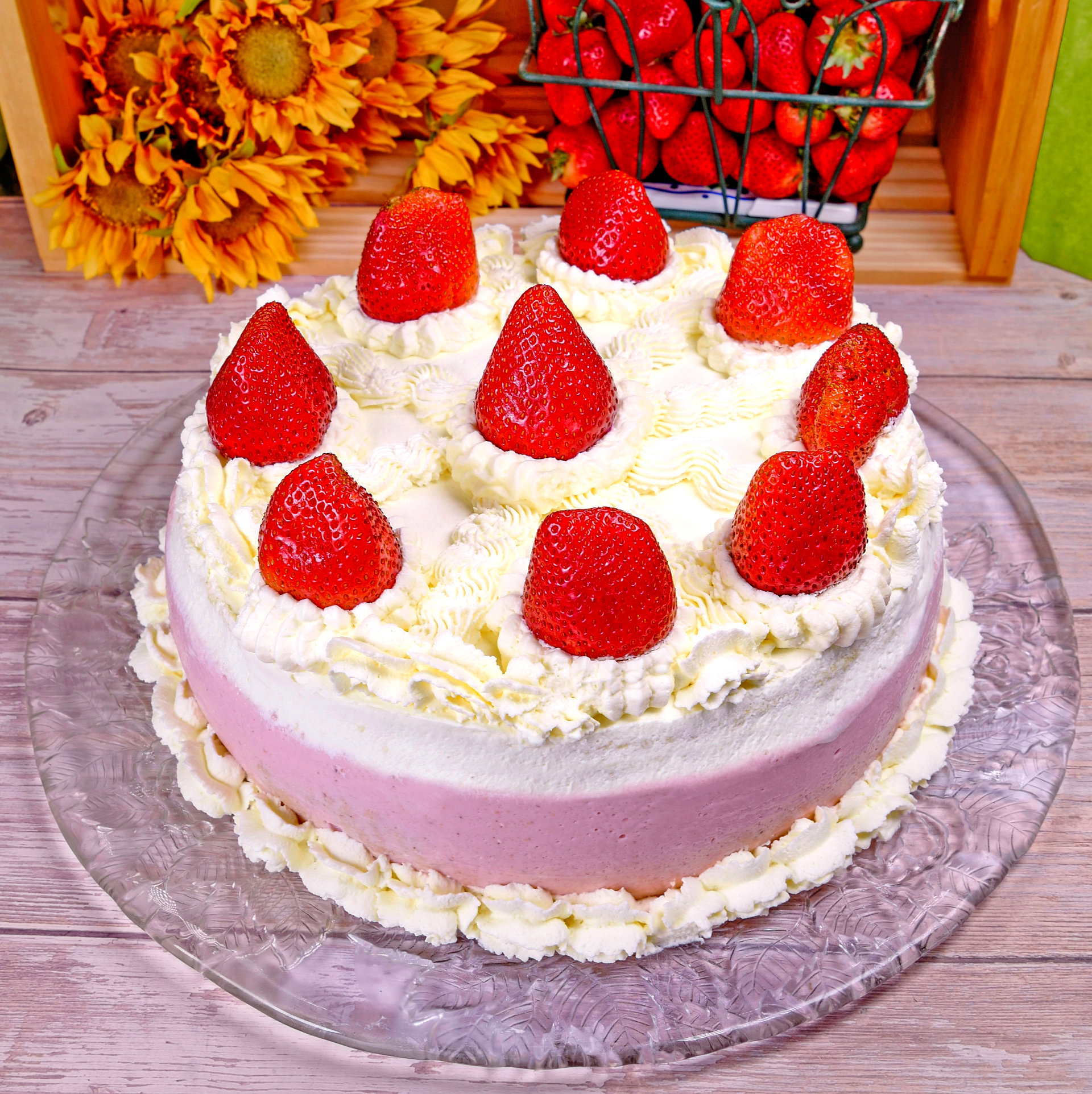
Here’s what that looks like in a finished cake:
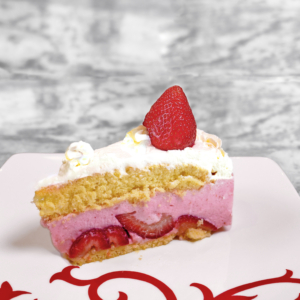
This is where the technique makes sense.
In this type of filling, the firmness develops as the mixture chills.
As the mixture rests in the refrigerator:
What may look “too soft” in the bowl becomes beautifully structured once the cake is assembled and chilled.
This is the same method I use when preparing fillings for light sponge cakes, such as a strawberry cream torte.
The filling is folded gently, layered into the cake, and then allowed to set over several hours.
The result is a dessert that is:
If you’d like to see exactly how this looks while folding, you can watch the technique here => https://youtu.be/sWhi_4ZN2Z8
Folding is one of those techniques that feels subtle, but makes a dramatic difference.
It’s not about forcing the mixture into shape—it’s about understanding when to stop and letting the structure develop naturally.
This is one of the core techniques I share in German Heritage Baking, where traditional methods create light, elegant and beautifully structured desserts.
That patience is what creates the kind of texture you simply can’t achieve any other way.
Don’t miss a crumb! Subscribe for insider baking techniques, free recipe downloads, and early news on upcoming books.
Receive German heritage recipes and delicious updates directly to your inbox!